Understanding Errors and Omissions Insurance in Washington State: A Comprehensive Guide

Ever found yourself in a sticky situation where a small mistake led to a big headache? That’s where errors and omissions insurance swoops in like your business’s superhero. This coverage is designed to protect you from the unforeseen blunders that could otherwise wreak havoc on your professional life. In Washington State, this type of insurance isn’t just a good idea—it’s practically essential for peace of mind.
Let’s dive deep into the world of errors and omissions insurance in Washington State. We’ll unravel the specifics of how it works, who relies on it the most, and why you can’t afford to ignore it. Whether you’re a seasoned business owner or just starting, understanding E&O insurance is crucial for safeguarding your business assets and reputation.
Understanding Errors and Omissions Insurance in Washington State
Did you know that a simple mistake could cost your business thousands of dollars? That’s where Errors and Omissions (E&O) insurance comes in. It’s your safety net, especially if you’re operating in Washington State.
Errors and Omissions insurance is a type of professional liability insurance. It protects businesses against claims of inadequate work or negligent actions. These claims can arise from mistakes or failure to perform a service. For businesses in Washington, this insurance is crucial because legal costs can be astronomical.
The Role of Errors and Omissions Insurance in Washington State
In Washington, E&O insurance is tailored to meet the state’s specific legal requirements. Washington’s regulations ensure that professionals are covered against a range of potential claims. Whether you’re in Seattle or Spokane, this insurance offers peace of mind.
Here is the deal: Washington state mandates stringent standards for professionals. This means if you’re a real estate agent, a tech consultant, or in another high-risk field, having E&O insurance is often non-negotiable. It helps mitigate the risks of lawsuits that could otherwise cripple your business.
Key Industries Relying on E&O Insurance in Washington
In Washington, industries like real estate, technology, and finance frequently use E&O insurance. These sectors are prone to errors that can lead to significant financial loss. For example, a tech company might face a claim from a client alleging that a software glitch caused their business a loss.
But that’s not all. The healthcare and legal sectors in Washington also heavily rely on E&O insurance. A small oversight in these fields can lead to severe repercussions, so having robust coverage is a must.
Common Claims Covered by Errors and Omissions Policies
What kind of claims does E&O insurance cover? Think about a real estate agent who misstates the square footage of a property. Or a financial advisor who gives a client faulty investment advice. These are typical claims that E&O policies handle.
Pro Tip: Always read the fine print of your E&O policy. Some insurers may exclude certain types of claims, so understanding your policy inside-out is crucial.
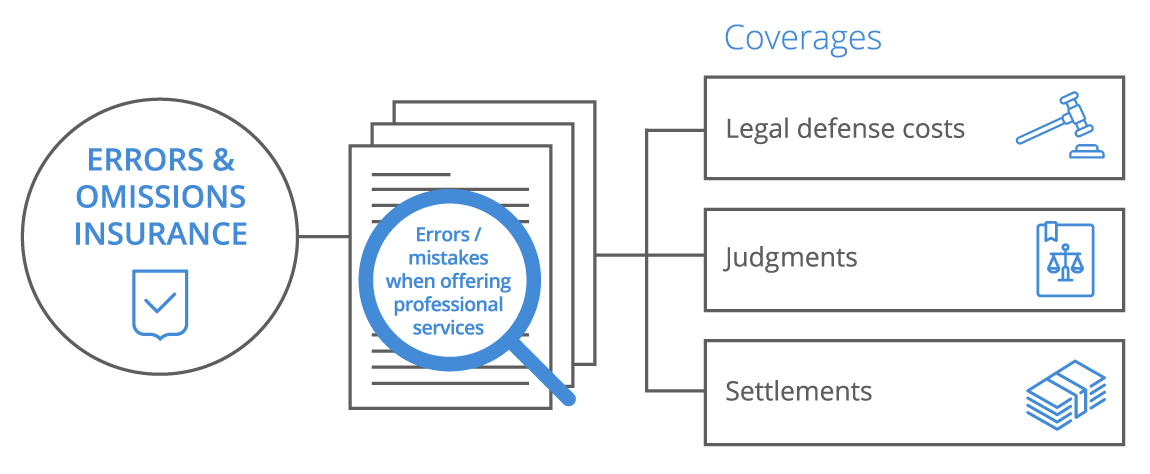
In Washington, policies often cover legal defense costs, settlements, and judgments. This means you won’t have to bear the brunt of these expenses out-of-pocket. Ensure your business is protected against the unexpected.
Legal Requirements and Regulations
Did you know that each state has its own set of rules for errors and omissions insurance? In Washington State, getting insured isn’t just a smart move—it’s a legal requirement for many professionals.
Here’s the deal: Washington mandates specific E&O coverage for industries like real estate, insurance, and financial services. Messing this up could mean hefty fines or business shutdowns. Staying compliant is crucial.
Washington State-Specific E&O Insurance Mandates
The Washington State law requires professionals in certain fields to carry errors and omissions insurance. This is especially true for real estate agents, mortgage brokers, and insurance providers. Recent legislative changes have also increased the minimum coverage amounts. Make sure your policy meets these updated requirements.
Recent Legislative Changes Impacting E&O Insurance
Recently, Washington State enhanced its E&O requirements. As of 2023, the required minimum coverage has increased by 20%. This change aims to provide better protection for consumers. Don’t get caught out with an outdated policy; stay updated and compliant.
Steps to Obtain Compliant E&O Insurance in Washington
Getting E&O insurance that meets Washington’s requirements isn’t complicated, but it involves several steps:
- Research and Compare: Not all policies are created equal. Compare coverage, terms, and costs among different providers.
- Consult an Insurance Agent: They can help you understand the nuances of Washington’s regulations and find a policy that fits your needs.
- Apply and Customize: Submit your application and customize your policy to ensure it meets the state’s legal standards.
- Regular Review: Insurance needs can change, so review your policy annually to ensure compliance.
Pro Tip: Always consult a legal expert when navigating complex insurance regulations to avoid penalties.
Regulatory Differences: Washington vs. Neighboring States
How does Washington stack up against its neighbors? Let’s look at a quick comparison:
| State | Minimum Coverage | Mandatory Industries | Recent Changes |
|---|---|---|---|
| Washington | $500,000 | Real Estate, Insurance, Finance | 20% increase in coverage (2023) |
| Oregon | $300,000 | Real Estate, Legal | None |
| Idaho | $400,000 | Insurance, Medical | Minor adjustments in 2022 |
As you can see, Washington’s requirements are more stringent, especially with the recent increase in coverage amounts. Staying informed is your best defense against non-compliance.
Cost Factors and Premium Calculations
How much are you really paying for your errors and omissions insurance? In Washington State, the cost can vary widely based on several key factors. Let’s break them down and find out how you can keep your premiums in check.
Insurance companies consider a mix of elements when deciding your premium. Your industry, the scale of your business, and your claims history all play significant roles. But here’s the deal: not all factors are within your control, so it’s crucial to know where you can make a difference.
Factors Influencing Insurance Costs
Your industry’s inherent risk level is a major cost driver. For example, tech companies might pay less than financial advisors due to differing risk profiles. The size of your business, measured by revenue or number of employees, also affects costs. Larger businesses often face higher premiums due to a proportionally higher risk exposure.
Claims history is another critical factor. Frequent past claims can spike your premiums. It’s like your driving record—cleaner means cheaper.
Calculating Insurance Premiums
Start by gathering key business metrics: revenue, number of employees, and previous claims data. Insurance providers will use this data alongside industry-specific risks to calculate your premium. BUT, don’t just accept the first quote you get.
Pro Tip: Get multiple quotes to understand the market range and secure the best deal.
Tweak your policy limits and deductibles to fit your budget without sacrificing coverage. Higher deductibles typically mean lower premiums, but be sure you can afford the deductible amount in the event of a claim.
Strategies for Reducing Costs
Want to save on E&O insurance? Here are some tricks: Implement robust risk management strategies to minimize claims. Consider bundling E&O with other types of insurance. This can lead to a discount on your premiums.
Regularly review and adjust your coverage to match your current risk level. As your business evolves, so should your insurance policy.
| Industry | Premium Range (Annual) |
|---|---|
| Technology | $500 – $2,000 |
| Financial Services | $1,200 – $5,000 |
| Real Estate | $800 – $3,500 |
| Consulting | $600 – $2,800 |
Remember, these are just ranges. Your specific premium will depend on the unique factors surrounding your business.
Claims Process and Management
The shocking truth? Most policyholders have no idea how to properly file an errors and omissions claim. You can’t afford to be one of them.
Here’s the deal: Understanding the claims process can make or break your business. And if you’re in Washington, the stakes are even higher due to specific state regulations. So, let’s break it down step-by-step.
Filing a Claim Under Errors and Omissions Insurance
First, review your policy to understand the coverage details. Next, gather documentation that supports your claim. This will be crucial when you contact your insurer. Remember, the clock is ticking. Notify your insurer immediately to avoid delays.
- Gather all relevant documents and evidence.
- Contact your insurer to report the claim.
- Submit required forms and documents.
- Stay in touch with your claims adjuster for updates.
Pro Tip:
Document every interaction with your insurer. This can serve as evidence if disputes arise.
Roles and Responsibilities During the Claims Process
It’s crucial to understand the roles of both parties involved. As the insured, your responsibility is to provide accurate and complete information. This can significantly speed up the process. Your insurer, on the other hand, is responsible for investigating the claim thoroughly and offering a resolution. BUT remember, the burden of proof lies with you.
Risk Management for Smoother Claims
Managing and mitigating risks isn’t just smart—it’s necessary. Implementing strong risk management practices can help prevent claims and make the process smoother. Regularly review your business practices and address any potential issues before they turn into claims.
- Conduct regular audits of your business operations.
- Train employees on compliance and risk management.
- Maintain transparent communication with clients to avoid misunderstandings.
Timeline for Typical Claims Resolution
Wondering how long this will take? On average, claims resolution can vary significantly. Here’s a general timeline to manage your expectations.
| Stage | Timeframe |
|---|---|
| Claim Notification | Immediate |
| Investigation | 1-2 weeks |
| Documentation Review | 1-3 weeks |
| Resolution | 4-6 weeks |
In conclusion, being proactive and informed reduces stress and speeds up the process. Remember, the more prepared you are, the easier your life becomes.
Comparison with Other Insurance Types

Did you know that 40% of small businesses will experience a claim in their first 10 years? This makes understanding your insurance options crucial. You might be asking yourself: How does Errors and Omissions (E&O) insurance stack up against other policies like General Liability Insurance?
Let’s dive into the key differences. E&O insurance covers you against claims of negligence or mistakes in the services you provide. General Liability, on the other hand, protects against physical damages or bodily injuries. It’s like comparing apples to oranges, but both are essential to your business toolkit.
Differences Between E&O Insurance and General Liability Insurance
While both E&O and General Liability Insurance provide protection, they do so in different ways. E&O is ideal for service-based businesses where advice or professional services are part of the offering. General Liability is more about protecting your physical assets and interactions.
- E&O covers professional mistakes, advice given, and service errors.
- General Liability covers physical injuries and property damage.
- E&O is often required in professional industries like law and finance.
- General Liability is a must-have for retail businesses or those with a physical presence.
Here is the deal—if you’re a consultant or provide professional services, E&O insurance is your safety net. But if you’re running a coffee shop, you’ll need the physical protection General Liability offers.
Errors and Omissions Insurance as a Complement
Think of E&O as a puzzle piece that completes your business protection puzzle. It complements other policies like Cyber Liability or even Business Owner’s Policy (BOP). Together, they cover a wide range of potential risks.
Pro Tip: Pairing E&O with Cyber Insurance can safeguard against data breaches and client claims simultaneously.
In scenarios where your business hinges on advice, E&O is preferable. Imagine a financial advisor giving erroneous advice that leads to client losses. General Liability won’t help you here, but E&O will be your hero.
Real-life Case Studies and Examples
Ever wonder what happens when a business gets slapped with an errors and omissions claim? Let’s dive into some real-life cases from Washington State to see these policies in action.
These stories reveal the true impact of E&O insurance on businesses, offering invaluable lessons that you can apply to your own risk management strategies.
The Tech Startup’s Contract Mishap
Imagine a promising tech startup in Seattle, launching with excitement but missing a crucial clause in a client contract. The result? A costly lawsuit claiming breach of agreement.
The E&O insurance policy kicked in to cover the legal fees and settlement costs, saving the fledgling company from financial ruin. The lesson? Double-check your contracts. Even the smallest oversight can lead to monumental financial consequences.
Missing a single line in a contract can cost you millions. Ensure your E&O policy covers you for these blind spots.
The Architect’s Design Flaw
Next, let’s look at an architect who discovered a design flaw after project completion. The error led to structural issues, and the client wasn’t happy.
The claim was covered by the architect’s E&O insurance, which absorbed the repair costs and professional fees. For architects, thorough checks and balances during the design phase are non-negotiable.
The Real Estate Agent’s Listing Error
A real estate agent in Tacoma made a critical error by listing the wrong square footage of a property. The buyers were furious, leading to a legal battle.
Thanks to E&O coverage, the agent didn’t have to foot the entire bill for legal costs and settlements. This case underscores the importance of accurate information in listings to prevent costly mistakes.
Here’s a quick summary of the key takeaways:
| Case Study | Insurance Impact | Lesson Learned |
|---|---|---|
| Tech Startup’s Contract Mishap | Covered legal fees and settlement | Ensure contract accuracy |
| Architect’s Design Flaw | Covered repair and professional fees | Implement thorough checks |
| Real Estate Agent’s Listing Error | Assisted with legal costs and settlements | Provide accurate information |
Final Thoughts
In the complex landscape of business operations, errors and omissions insurance in Washington State stands out as a crucial safety net. By embracing this coverage, you not only protect your business but also build trust with your clients. Remember, in the world of business, it’s not just about avoiding mistakes—it’s about handling them smartly when they occur. Don’t wait for an unexpected mishap to learn the value of E&O insurance; make it a cornerstone of your risk management strategy today.
FAQ Section
What is errors and omissions insurance?
Errors and omissions insurance, also known as professional liability insurance, covers businesses against claims of inadequate work or negligent actions.
Why is E&O insurance important in Washington State?
It’s vital as it provides protection in a state with diverse industries where even minor mistakes can lead to significant financial losses.
Which industries in Washington commonly use E&O insurance?
Industries like real estate, technology, legal, and medical professions heavily rely on E&O insurance.
How are premiums for E&O insurance calculated?
Premiums are based on factors like industry risk, business size, and past claim history.
Can E&O insurance be customized for specific business needs?
Yes, policies can often be tailored to fit the unique risks associated with different businesses.
How do I file a claim under an E&O policy?
Contact your insurer immediately, provide necessary documentation, and follow their specific claims process guidelines.
Are there legal requirements for E&O insurance in Washington?
Yes, certain professions may be legally required to hold E&O insurance under state regulations.