When you’re running a small business, navigating the world of insurance can feel like deciphering a corporate labyrinth. But don’t sweat it! In this comprehensive guide, we’ll unravel the complexities of small business insurance, helping you protect your business without breaking a sweat.
Insurance is not just a safety net; it’s a crucial component of a successful small business strategy. With the right coverage, you can safeguard your business from unexpected mishaps and ensure long-term stability. So, let’s dive into the essentials you need to know.
Overview of Small Business Insurance Needs

Did you know that over 40% of small businesses have no insurance? Scary, right? Insurance is your lifeline in the face of unexpected disasters.
Small businesses are uniquely vulnerable to risks like lawsuits, property damage, or theft. That’s why having the right insurance coverage is crucial. It can be the difference between staying afloat or sinking fast when the unforeseen hits.
Types of Insurance Policies for Small Businesses
When it comes to insurance, one size does not fit all. Each small business has unique needs. Here are some must-have policies:
- General Liability Insurance: Covers legal fees and damages if someone gets injured on your property.
- Commercial Property Insurance: Protects your building and its contents from fires, theft, or natural disasters.
- Workers’ Compensation Insurance: Required in most states, it covers medical expenses for employees injured on the job.
- Professional Liability Insurance: Also known as Errors & Omissions, this is crucial if you offer services or advice.
Why Small Businesses Need Insurance Coverage
Think about this: Every year, more than 50% of small businesses experience a lawsuit. Without insurance, you could face financial ruin. But, insurance isn’t just about legal protection.
Insurance is also about peace of mind. It ensures you can recover quickly if disaster strikes. Whether it’s a flood that damages your inventory or a customer injury lawsuit, insurance is your safety net.
Scenario Examples: Insurance in Action
Imagine a customer slips in your store and sues for medical costs. Or your office gets robbed, leaving you without essential equipment. Insurance steps in here, covering costs that would otherwise bury your finances.
Here’s the deal: Without insurance, you’re not just risking your business’s future—you’re risking your livelihood.
Pro Tip: Regularly review and update your insurance policies as your business grows. Needs change, and so should your coverage.
Types of Business Insurance Policies
Did you know that over 40% of small businesses will face a claim situation in the next 10 years? That’s why understanding the different types of business insurance policies is crucial.
Let’s dive into the various policies that can shield your business from unexpected financial hits. You’ll be surprised how a little knowledge now can save you big bucks later.
General Liability Insurance
General Liability Insurance covers a range of potential risks, from customer injuries on your premises to property damage you or your employees might cause. This is the foundation of your business insurance package.
- Protects against legal claims
- Covers medical expenses
- Essential for most businesses
Commercial Property Insurance
Does your business own property? Then Commercial Property Insurance is a must. It protects your building and everything inside it.
Here is the deal: this policy covers fire, theft, and vandalism. Imagine a fire destroys your office. Without this insurance, you’re footing the bill yourself.
Professional Liability Insurance
This is for you if you’re offering a service. Professional Liability Insurance, also known as Errors and Omissions Insurance, covers lawsuits claiming you made a mistake in your service.
- Ideal for consultants, accountants, lawyers
- Covers negligence claims
Workers’ Compensation Insurance
If you have employees, you need Workers’ Compensation Insurance. It’s not just a smart move; it’s a legal requirement in most states.
It covers medical costs and a portion of lost wages if an employee gets injured at work. You don’t want to skip this.
Comparative Table of Insurance Policies
Here’s a quick comparison of these insurance policies:
| Insurance Type | Coverage | Average Cost | Benefits |
|---|---|---|---|
| General Liability | Legal claims, injuries, property damage | $400-$600/year | Protects against lawsuits |
| Commercial Property | Building, contents, fixtures | $500-$750/year | Safeguards physical assets |
| Professional Liability | Negligence, errors, omissions | $800-$1,200/year | Protects service-based businesses |
| Workers’ Compensation | Employee injuries, medical expenses | Varies by state and payroll | Legal requirement, protects employees |
Factors Influencing Insurance Choice
The type of business you run, the number of employees, and your location can all affect your insurance needs and costs. But don’t worry; we’ll break it down.
For instance, a tech startup’s needs differ from a retail store’s. Understand your risks, and you’ll choose wisely.
Examples of Specialized Insurance Providers
Many insurance companies offer specialized small business insurance. But which ones are the best?
Companies like Hiscox, Nationwide, and The Hartford are known for their tailored policies for small businesses.
They provide flexibility and comprehensive coverage.
Check them out!
Benefits of Having Business Insurance
Did you know that 40% of small businesses never reopen after a disaster? It’s a staggering statistic. But here’s the good news: you can protect your business with the right insurance.
Small business insurance isn’t just a safety net. It’s a smart investment that shields you from the unexpected. Let’s dive into the tangible benefits this insurance provides.
Protection Against Financial Loss
Having business insurance is like owning an umbrella on a rainy day. You’re covered no matter how bad the storm gets. Sure, it might seem like an extra expense now, but consider this: a single lawsuit or accident can bankrupt your business. Insurance helps manage risk by covering legal fees, medical bills, and property damage. It’s peace of mind, which is priceless.
Risk Management Made Easy
Managing risk is crucial for any business. Business insurance acts as your safety net, allowing you to operate with confidence. With the right policy, you’re not just reacting to disasters; you’re proactively protecting your assets. This means fewer sleepless nights worrying about what might go wrong.
Pro Tip: “Investing in comprehensive coverage now can save you hundreds of thousands in the future.”
Long-Term Financial Benefits
Think of your insurance premiums as an investment in your business’s future. Yes, there’s a cost, but there are also long-term financial benefits. By mitigating potential losses, you can maintain cash flow and avoid financial ruin. Over time, this stability can help you secure better financing and grow your business.
Real-Life Success Stories
Let’s look at some real-world examples. Consider Jane’s bakery. A fire could have destroyed her livelihood. However, her insurance covered the reconstruction costs, allowing her to reopen in six months. Or take Mike’s tech startup, which faced a costly data breach. Thanks to his policy, the recovery was swift and didn’t drain his resources. These stories aren’t just anecdotes; they’re proof that insurance works.
Key Considerations in Selecting Business Insurance
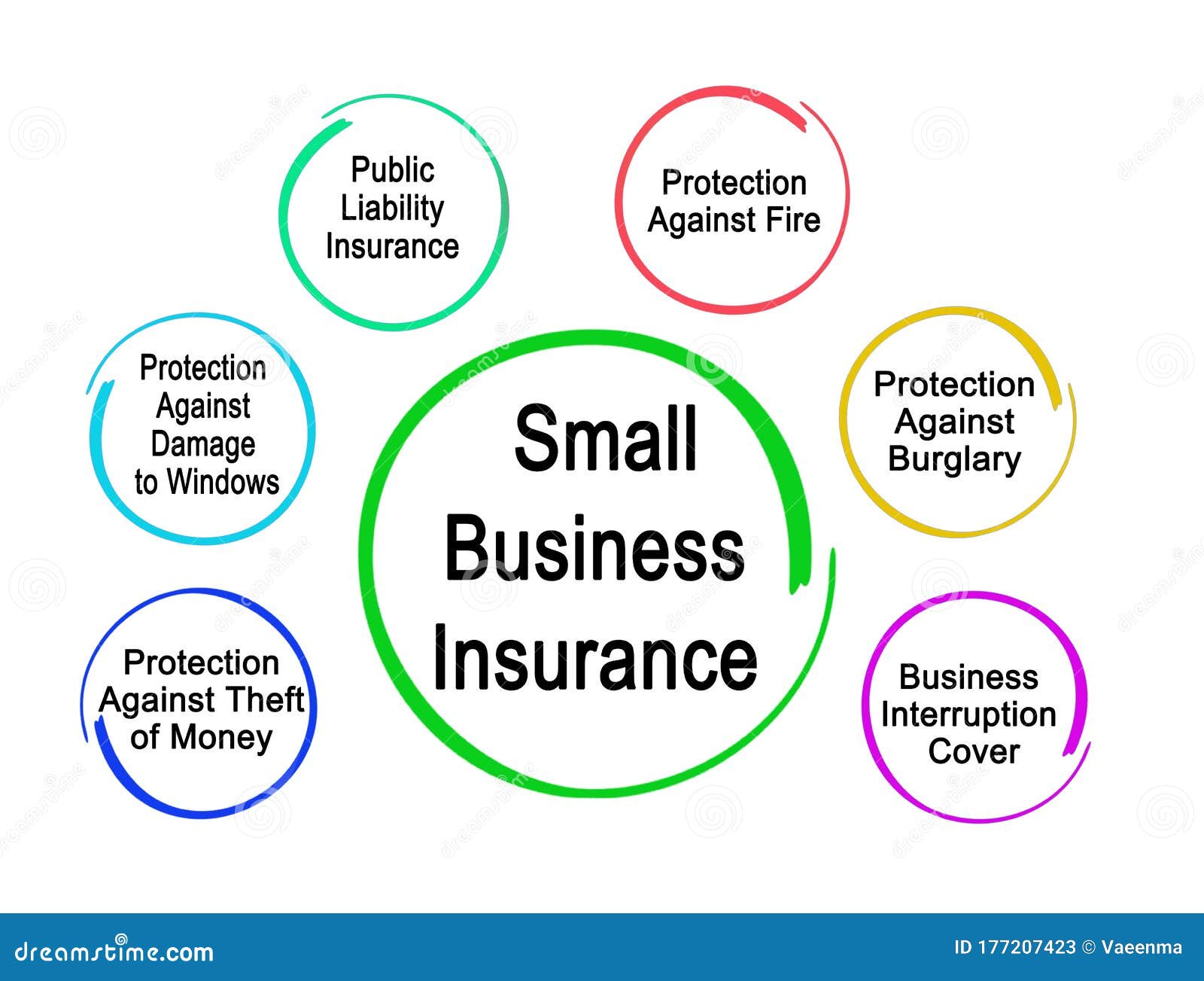
Choosing the right insurance for your small business is like picking the perfect pair of shoes. It has to fit your needs just right. But with so many options, how do you decide?
Here’s the deal: You can’t just grab any policy off the shelf. You need to dig deep into what your business truly requires and ensure that your choice aligns with those needs.
Critical Factors in Choosing an Insurance Policy
Step #1: Understand Your Business Risks. Every business has unique risks. For instance, a bakery might be more concerned about fire hazards, while a tech start-up might prioritize data breach protection. Identify these risks to tailor your coverage.
Step #2: Assess Your Coverage Needs. It’s crucial to make a checklist of what needs coverage: property, liability, equipment, or even employee-related risks. Then, align these with available insurance options to avoid paying for unnecessary coverage.
The Role of Deductibles, Limits, and Premiums
Deductibles, limits, and premiums can make or break your insurance decision. Think of deductibles as upfront costs you pay before insurance kicks in. Higher deductibles could mean lower premiums, but can you afford them when a claim arises?
Policy limits determine the maximum amount your insurer will pay. You need to ensure these limits are sufficient to cover potential claims without leaving you underinsured.
Pro Tip: “A higher deductible can save you money monthly, but ensure you have the savings to cover it in case of a claim.”
Premiums are the regular payments you make. Balance them wisely with your coverage needs and risk acceptance—too low might mean inadequate coverage, too high might strain your finances.
Evaluating Insurance Providers and Policies
Choosing the right provider is just as important as the policy itself. Look for insurers with a solid reputation and a track record of excellent customer service. Check reviews and ask for recommendations from fellow business owners.
- Compare policies side by side. Look beyond the premiums.
- Check the fine print for exclusions or hidden costs.
- Don’t hesitate to ask questions—clarity is key.
A good strategy is to create a comparison table of potential providers and policies, weighing factors like cost, coverage, and customer feedback.
Cost-Effectiveness and Budgeting for Insurance
Did you know that nearly 40% of small businesses have never reviewed their insurance costs? This oversight can seriously dent your budget. BUT, by being strategic, you can secure solid coverage without breaking the bank.
Here is the deal: Efficiently managing insurance costs starts with understanding your business needs. Then, you strategically create a budget that accommodates those costs without sacrificing other critical expenses.
Strategies to Manage Insurance Costs Effectively
Start by assessing your risks. Identify what insurance coverage your business genuinely needs. This is crucial because over-insuring is a common mistake that leads to unnecessary expenses. Next, consider bundling policies. Many insurers offer discounts if you purchase multiple types of insurance from them.
Also, review your coverage annually. Business needs change, and so do the risks associated with them. Make sure you’re not paying for coverage you no longer need, or worse, missing coverage that has become crucial.
- Assess your specific risks.
- Bundle policies for discounts.
- Review and adjust coverage annually.
Integrating Insurance Costs into Your Budget
Crafting a budget that includes insurance requires insight and foresight. Begin by calculating your total insurance needs and estimating how much you can realistically allocate to them. Then, allocate funds for your insurance premiums before other discretionary expenses.
Don’t forget to account for potential premium increases. Build a buffer in your budget to accommodate these increases without disrupting your operations.
Pro Tip: Set aside an emergency fund that covers at least one month’s worth of premiums. This cushion can prevent lapses in coverage during lean times.
Step-by-Step: Comparing Insurance Quotes
Comparing quotes isn’t just about picking the cheapest option. It’s about getting the best value for the coverage you need. Here’s how to do it:
- List your required coverage types.
- Gather quotes from at least three different providers.
- Use a table to compare them side-by-side.
| Provider | Coverage Type | Premium | Deductible | Limit |
|---|---|---|---|---|
| Insurer A | General Liability | $500/year | $1,000 | $1 million |
| Insurer B | General Liability | $650/year | $500 | $1 million |
| Insurer C | General Liability | $600/year | $1,000 | $1.5 million |
Maximizing Insurance Coverage on a Tight Budget
Once you’ve identified the essential policies, explore ways to enhance your coverage without skyrocketing costs. Raising deductibles can lower premiums significantly. Just ensure you have the funds available to cover those deductibles if necessary.
Also, utilize risk management strategies to minimize the chances of needing to file a claim. This could lead to lower premiums in the long run.
Common Myths and Misconceptions about Business Insurance
Think business insurance is a one-size-fits-all? Think again. Most small business owners fall into the trap of believing myths that lead to bad coverage decisions.
Understanding the reality of business insurance can save you from financial disaster. Let’s debunk some common myths that could be costing you big time.
Myth: My Home Insurance Covers My Business
If you run a business from home, you might assume your home insurance policy has you covered. BUT, that’s a big mistake. Home insurance typically excludes business operations, leaving you exposed to potential risks.
It’s like driving without a seatbelt. You need a separate business insurance policy to ensure you’re fully protected. Don’t rely on a policy that wasn’t designed for your needs.
Myth: Only Big Businesses Need Insurance
Here’s the deal: small businesses are just as vulnerable to risks as larger ones. In fact, small businesses often lack the financial resilience to recover from unexpected events.
Imagine a lawsuit or natural disaster hitting your business. Without the right insurance, you could be forced to shut down. Insurance isn’t a luxury; it’s a necessity for businesses of all sizes.
Misconception: General Liability Covers Everything
General liability insurance is crucial, but it doesn’t cover every potential risk. For example, it won’t help if an employee gets injured at work or if your business suffers data breaches.
Pro Tip: Assess the specific risks of your business and choose policies that provide comprehensive coverage.
Don’t let this misconception lead to gaps in your safety net. Tailor your coverage to protect against all significant threats.
The Impact of Myths on Decision-Making
Believing these myths can seriously impact your decision-making when it comes to choosing the right insurance. It often results in underinsured businesses that can’t withstand financial setbacks.
By understanding the facts, you can make informed choices that safeguard your investments and ensure business continuity. Knowledge is your best defense against costly mistakes.
Importance of Understanding Terms and Conditions
Do you know what your insurance policy actually covers? Many business owners skim through the terms and conditions, missing critical details that could affect their coverage.
Take the time to understand the fine print. Clarify any doubts with your insurance provider and ensure the policy aligns with your business needs.
Don’t let lack of understanding lead to inadequate coverage. An informed business owner is a protected business owner.
Summary
In the ever-evolving landscape of small businesses, insurance remains a steadfast ally. By understanding and choosing the right policies, you can fortify your business against uncertainties and focus on what truly matters—growing your enterprise. So, take the leap, arm yourself with knowledge, and let insurance be your shield.
Answers to Common Questions
What types of insurance do small businesses need?
Small businesses typically need general liability insurance, property insurance, and workers’ compensation insurance, among others, depending on their specific needs.
How does business insurance benefit small business owners?
Business insurance provides financial protection against unexpected events, helps manage risks, and offers peace of mind, ensuring business continuity.
What factors influence the choice of small business insurance?
Factors include the nature of the business, potential risks, budget constraints, and specific coverage needs.
Are there cost-effective ways to manage business insurance?
Yes, comparing quotes, bundling policies, and assessing coverage needs carefully can help manage costs effectively.
What are common misconceptions about small business insurance?
Common misconceptions include the belief that small businesses don’t need insurance or that it’s too expensive, which can lead to inadequate coverage.
How can I assess my small business’s insurance coverage needs?
Assess your risks, consider your business operations, and consult with insurance professionals to tailor coverage to your specific needs.
Why is it important to understand insurance terms and conditions?
Understanding terms and conditions ensures you have appropriate coverage and helps avoid unexpected surprises during claims.
